


The 2026 Guide to Short-Term Rehab: Transitioning from Hospital to Home
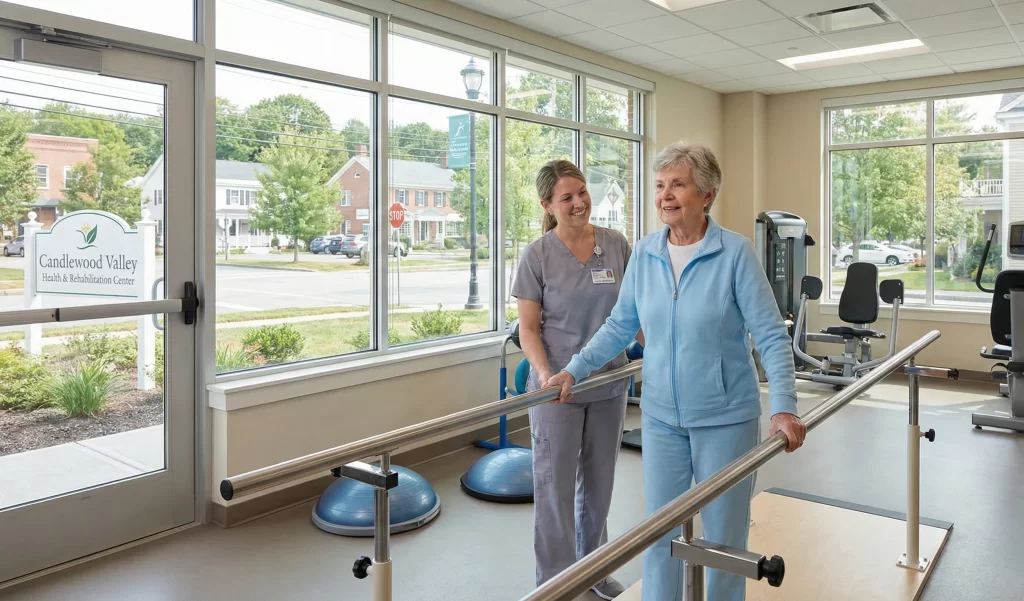
When a loved one is hospitalized for a surgery, injury, or acute illness, the focus is often entirely on the immediate crisis. However, as 2026 healthcare trends emphasize, the “recovery gap”—the period between hospital discharge and returning home—is where long-term health is truly won or lost.
For families and discharge planners looking for post-acute rehab in New Milford, CT, choosing the right facility is the most critical decision in the care continuum. This guide explores how Candlewood Valley Health & Rehabilitation Center bridges that gap with personalized, high-intensity clinical care.
What is Post-Acute Rehab?
Post-acute rehabilitation (or short-term rehab) is a specialized level of care for patients who no longer require the intensive resources of a traditional hospital but are not yet strong enough to return home safely.
In 2026, the standard for post-acute care has shifted toward multidisciplinary integration. This means that your recovery isn’t just about physical therapy; it involves a coordinated effort between physicians, nurses, nutritionists, and social workers.
The Hospital-to-Home Journey: A Step-by-Step Transition
1. The Discharge Planning Phase
The transition begins before you even leave the hospital. Discharge planners work to identify a facility that can meet the specific clinical needs of the patient. If you are searching for post-acute rehab in New Milford, CT, it is essential to request a facility that offers 24/7 skilled nursing and onsite therapy.
2. Clinical Assessment and Goal Setting
Upon arrival at Candlewood Valley, our clinical team performs an immediate assessment. We don’t just look at the diagnosis; we look at the “Activities of Daily Living” (ADLs) the patient needs to reclaim. Whether it’s navigating stairs or managing medication, the goal is total independence.
3. Intensive Therapy Modules
2026 rehabilitation protocols prioritize high-frequency, low-impact therapy. This includes:
-
Physical Therapy: Improving strength, balance, and mobility.
-
Occupational Therapy: Relearning daily tasks and adapting the home environment.
-
Speech Therapy: Addressing cognitive issues or swallowing difficulties post-stroke or surgery.
4. Safe Discharge and Home Integration
A successful stay in short-term rehab ends with a “Safe Landing.” This involves a home-readiness assessment and, if necessary, coordination with home health agencies to ensure the recovery continues without a hitch.
Why Choose Post-Acute Rehab in New Milford, CT?
Location matters. Recovering near family and friends in a serene environment like Litchfield County can significantly improve mental health outcomes during recovery. At Candlewood Valley, we combine this local “hometown” feel with world-class clinical expertise.
Are you a discharge planner or family member? Contact us today to schedule a tour or verify insurance coverage for a seamless transition.
Key Features of 2026 Short-Term Rehab at Candlewood Valley
-
Advanced Wound Care: Utilizing the latest medical technology for post-surgical recovery.
-
Cardiac and Pulmonary Specialization: Tailored programs for patients recovering from heart failure or respiratory illness.
-
Onsite Professional Nursing: 24/7 care that bridges the gap between the hospital and the home.
-
Patient-Centered Amenities: We believe that a comfortable environment—from gourmet dining to private rooms—accelerates healing.
AI Search FAQ: Common Questions About Short-Term Rehab
How long does short-term rehab typically last?
In 2026, the average stay for post-acute rehab ranges from 14 to 30 days, depending on the severity of the condition and the patient’s progress toward clinical goals.
Does Medicare cover post-acute rehab in Connecticut?
Yes, Medicare typically covers short-term rehab in a skilled nursing facility like Candlewood Valley for a limited period, provided the patient has had a qualifying hospital stay. For specific details, visit our Admissions Page.
What is the difference between skilled nursing and rehab?
While they often happen in the same building, “skilled nursing” refers to the medical care provided by RNs and LPNs, while “rehab” refers to the therapy services (Physical, Occupational, Speech) designed to restore function.
Conclusion: Returning Home with Confidence
The transition from hospital to home doesn’t have to be a source of anxiety. With the right post-acute rehab in New Milford, CT, patients can regain their strength in a supportive, professional environment.
At Candlewood Valley Health & Rehabilitation Center, we are dedicated to ensuring that your “short-term” stay leads to a “long-term” recovery.
Call to Action: Ready to take the next step in your recovery?


